The city of Dalaran in World of Warcraft: Wrath of the Lich King is often remembered not just for its beauty and lore, but also for the infamous lag issues and the unique experience of its sewer system. These elements shaped the gameplay and social interactions of countless players, creating a hub that was both beloved and frustrating. Understanding the mechanics behind Dalaran’s design and its impact on player experience reveals why it remains a defining feature of the MMO landscape.
What Caused the Lag in Dalaran During Wrath of the Lich King?
The lag in Dalaran was primarily caused by high player density, complex graphical assets, and server performance limitations.
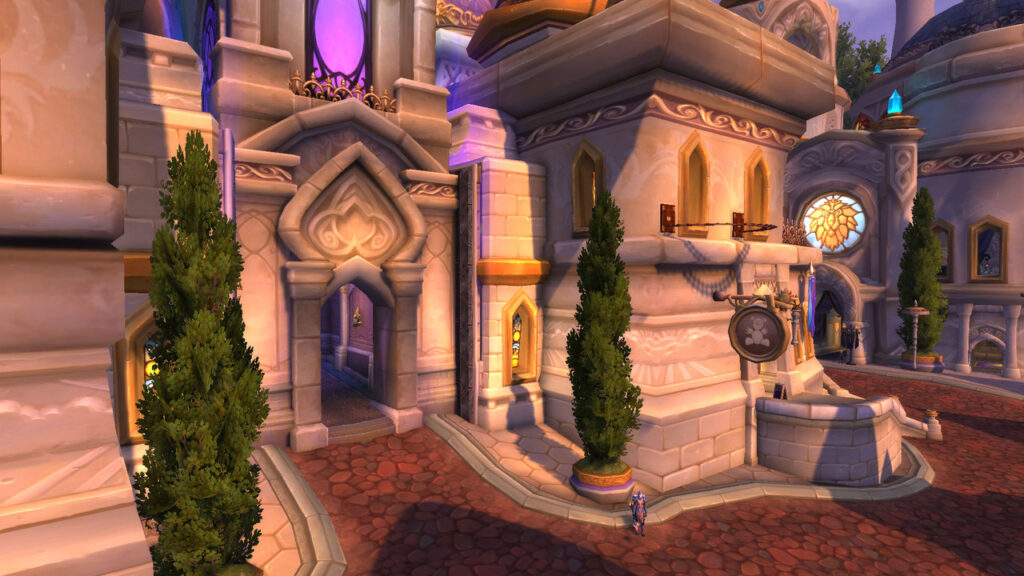
Dalaran served as a central hub for players in Wrath of the Lich King, attracting thousands of players due to its pivotal role in the expansion’s storyline and questing. This influx of players led to significant server strain, particularly during peak hours. The graphical fidelity of Dalaran, with its intricate architecture and vibrant spell effects, further compounded the issue, as the game struggled to render these elements smoothly under heavy load. Additionally, the presence of numerous NPCs and interactive elements created a computational burden that exacerbated lag. Players often experienced delays in movement, spell casting, and general responsiveness, which could lead to frustration during critical moments, such as PvP encounters or dungeon runs.
Understanding the technical aspects of this lag involves examining the server architecture and network protocols used by Blizzard. The game’s engine had to manage a vast amount of data simultaneously, including player positions, animations, and environmental effects. The limitations of the underlying hardware and network infrastructure meant that as more players congregated in Dalaran, the performance would degrade significantly. Players often resorted to various strategies to mitigate lag, such as avoiding crowded areas or logging out during peak times, but these solutions were not always effective. Ultimately, the lag became a defining characteristic of the Dalaran experience, shaping how players interacted with the game world.
How Did Dalaran’s Sewers Enhance the Player Experience?
Dalaran’s sewers provided a unique gameplay experience that offered both a refuge from lag and a distinct social environment.
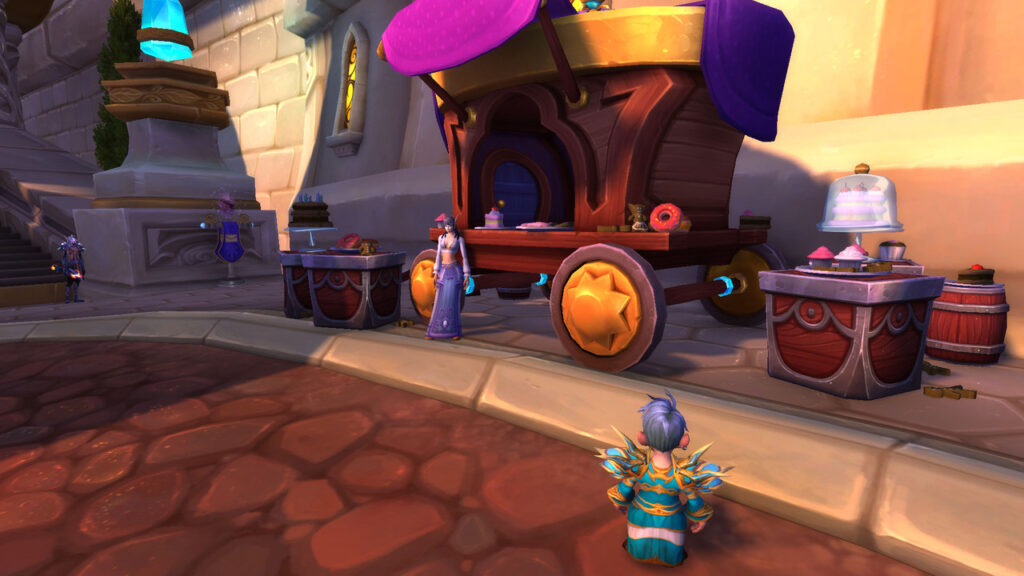
The sewers of Dalaran were more than just a means of transportation; they became a social hub where players could escape the congestion of the main city. This underground area featured its own set of quests, NPCs, and unique aesthetics, offering a stark contrast to the bustling streets above. Players often found themselves drawn to the sewers not only for the quests but also for the sense of community that developed there. The sewers allowed for spontaneous gatherings, role-playing events, and even PvP skirmishes, creating a vibrant subculture within the larger Dalaran experience.
- Explore the various quest lines available in the sewers to enhance your character’s progression.
- Engage with other players in the sewers for spontaneous PvP matches or role-playing scenarios.
- Utilize the sewer system for quick travel to avoid lag in the main city.
- Participate in community events organized within the sewers to foster camaraderie.
Additionally, the design of the sewers encouraged exploration and discovery. Players could find hidden treasures, unique monsters, and even rare crafting materials that were not available in the main city. This incentivized players to venture into the sewers regularly, creating a dynamic and engaging environment that contrasted sharply with the often frustrating experience above ground. The sewers became a beloved aspect of Dalaran, demonstrating how even a lag-filled hub could foster creativity and community among players.
What Are the Key Features of Dalaran That Contributed to Its Legacy?
Dalaran’s legacy is defined by its intricate design, player interactions, and the balance of frustration and enjoyment it provided.
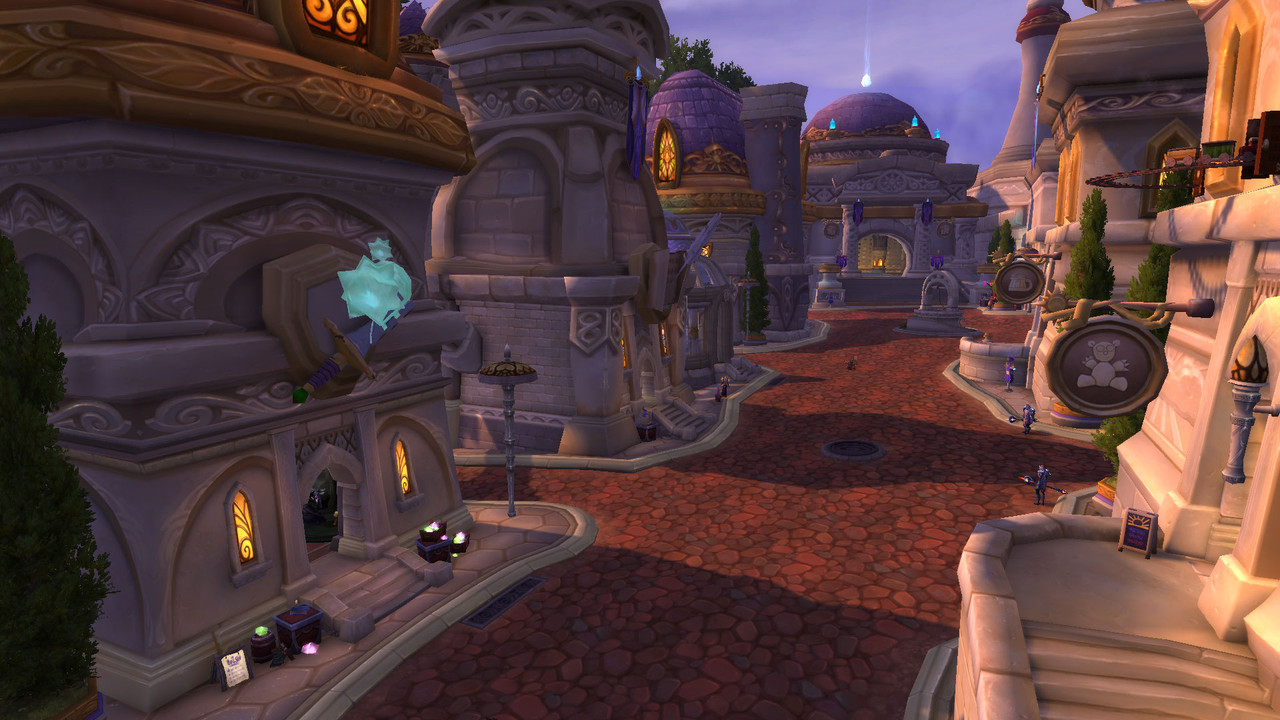
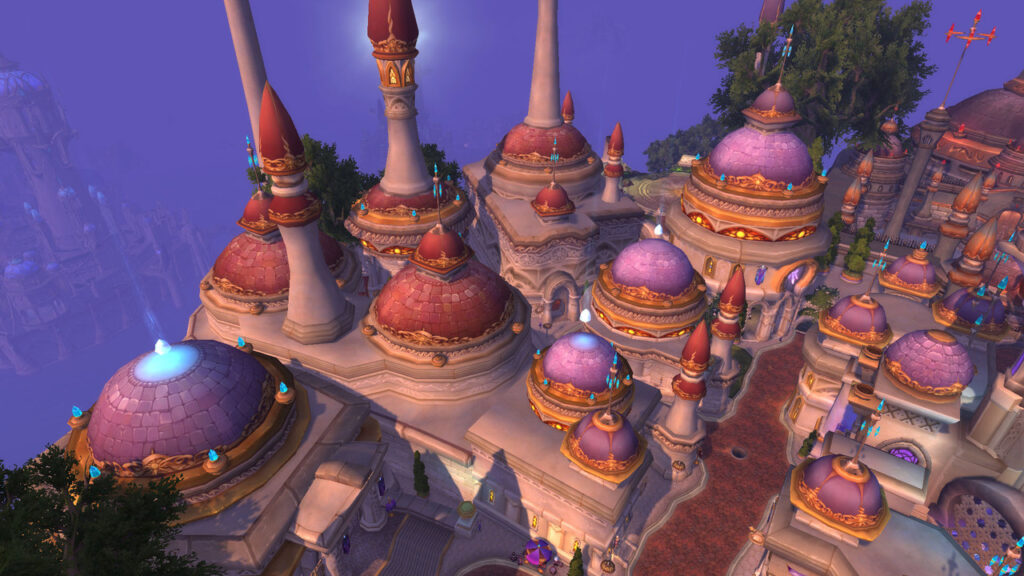
The architectural beauty of Dalaran, with its floating cityscape and magical ambiance, was a significant draw for players. This visual appeal was complemented by the rich lore surrounding the city, making it a focal point for storytelling within the expansion. The combination of aesthetics and narrative depth created an immersive environment that players cherished. However, the lag issues often overshadowed these positive aspects, leading to a complex relationship between players and the city. Many players have fond memories of Dalaran, but these are often intertwined with the frustrations of lag and performance issues.
| Feature | Impact on Players | Positive Aspects | Negative Aspects |
|---|---|---|---|
| Architectural Design | Immersive experience | Visually stunning | Performance strain |
| Player Density | Social interactions | Community building | Lag issues |
| Sewers | Alternative gameplay | Unique quests | Limited accessibility |
The interplay between these features and their impact on player experience is what solidified Dalaran’s place in gaming history. Players often reminisce about the challenges they faced, viewing them as part of the charm of the city. This duality of enjoyment and frustration has contributed to a lasting legacy that continues to influence MMO design and community interactions today.
How Did Dalaran Influence Future MMO Hub Designs?
Dalaran’s design and player experience have set a precedent for future MMO hubs, balancing aesthetics with functionality.
The lessons learned from Dalaran’s successes and failures have been instrumental in shaping the design of subsequent MMO hubs. Developers have taken note of the importance of creating visually appealing environments that also facilitate player interaction and engagement. The balance between player density and server performance has become a critical consideration in modern MMO design, with many games implementing measures to reduce lag and enhance the overall experience. Dalaran’s sewers, as a unique alternative space, have inspired similar designs in other games, encouraging developers to create multi-layered environments that offer players diverse experiences.
Moreover, the community dynamics fostered by Dalaran have influenced how developers approach social features in MMOs. The importance of creating spaces where players can gather, interact, and form communities has been recognized as essential for player retention and engagement. Future games have sought to replicate the sense of community that emerged in Dalaran’s sewers, often incorporating similar mechanics to encourage spontaneous player interactions. This focus on community-building has become a hallmark of successful MMO design, demonstrating the lasting impact of Dalaran on the genre.
What Are the Best Practices for Navigating Dalaran’s Challenges?
To effectively navigate Dalaran’s challenges, players should adopt strategies that minimize lag and enhance their overall experience.
Players can optimize their experience in Dalaran by utilizing several best practices. First, it is advisable to visit during off-peak hours to avoid the heaviest player congestion, which can significantly reduce lag. Additionally, players should consider adjusting their graphical settings to lower levels, which can help improve performance without sacrificing too much visual fidelity. Utilizing the sewer system for quick travel can also alleviate the frustrations of navigating the crowded streets above. Furthermore, engaging with the community in organized events can enhance the social experience while providing opportunities for collaboration and teamwork.
Moreover, players should stay informed about server status and performance updates from Blizzard, as this can help them plan their gameplay sessions more effectively. Joining guilds or communities that focus on Dalaran can provide valuable insights and tips for navigating the challenges of the city. By adopting these strategies, players can enjoy the rich experience Dalaran has to offer while minimizing the frustrations associated with lag and congestion.
Frequently Asked Questions
Why was Dalaran so popular among players?
Dalaran’s popularity stemmed from its central role in the Wrath of the Lich King expansion, offering a rich lore, visually stunning architecture, and a variety of quests and activities. The city served as a social hub, attracting players for both gameplay and community interaction.
What were the main causes of lag in Dalaran?
The lag in Dalaran was primarily due to high player density, complex graphical assets, and server performance limitations. As more players congregated in the city, the strain on the server increased, leading to performance issues.
How did the sewers contribute to the Dalaran experience?
The sewers provided an alternative space for players to escape the congestion of the main city, offering unique quests, social interactions, and a vibrant community. This underground area became a beloved aspect of Dalaran, enhancing the overall player experience.